
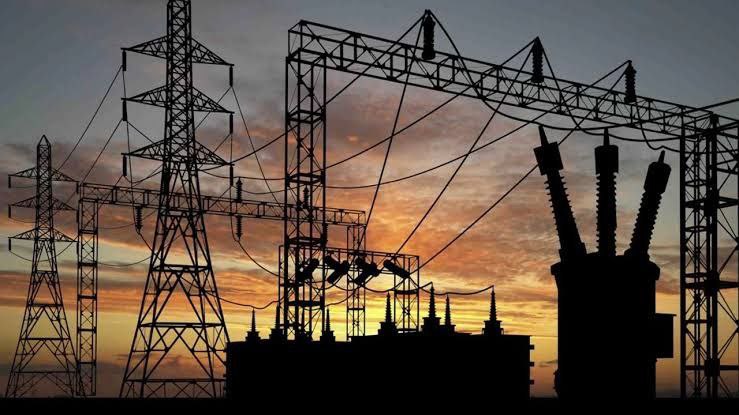
Nigeria’s National Grid suffered a major collapse on January 23, 2026, plunging large parts of the country into darkness. This marks the first full system failure of the year, coming just weeks after a similar incident late in December 2025.
What Happened? According to reports from the Nigerian Independent System Operator (NISO), the grid collapsed around midday to early afternoon (reports vary slightly between ~11:40 AM and ~1 PM WAT).
Key details include:
• Power generation plummeted dramatically from levels around 4,000+ MW earlier in the day to as low as 20-24 MW (some reports cited even lower figures like near zero).
• Load allocation to all 11 electricity Distribution Companies (DisCos) dropped to zero MW at the peak of the failure.
• All major power plants connected to the grid reportedly lost output, leading to a nationwide (or near-nationwide) blackout.
This is described as a “total collapse” or “system disturbance” by operators like the Transmission Company of Nigeria (TCN) and DisCos such as Ikeja Electric.
As of late afternoon/evening updates (around 5 PM WAT), partial restoration was underway but very limited. For example, real-time grid data showed total generation/distribution at roughly 80 MW, with only a few DisCos receiving small allocations (e.g., Ibadan ~30 MW, Eko ~40 MW, Abuja ~10 MW, others at 0 MW).
Full recovery could take hours or longer, based on patterns from past incidents. Why Does This Keep Happening? Nigeria’s national grid has long been notoriously unstable.
Common causes cited in reports and historical patterns include:
• Gas supply shortages — Many thermal plants (which dominate generation) face inadequate or interrupted gas due to pipeline vandalism, debts, or other issues.
• Technical faults and overloading — Tripping of generators or transmission lines, often from old/poorly maintained infrastructure.
• System disturbances A single failure can cascade, as the grid lacks sufficient redundancy or modern protective systems. This fragility persists despite reforms, privatization since 2013, and promises of improvement.
In 2025 alone, there were multiple collapses (at least four major ones), highlighting that the underlying issues ageing transmission lines, liquidity problems in the sector, and insufficient investment remain unresolved.
Social media reflects widespread frustration many Nigerians express embarrassment, call it a governance failure, or promote solar alternatives as the only reliable option.
Looking Ahead While restoration efforts are coordinated by the National Control Centre, full stability often takes time. Investigations into the exact trigger are ongoing, but without addressing root causes like gas reliability, grid modernization, and better funding, experts warn these incidents will recur.
Nigeria deserves better. Reliable electricity isn’t a luxury it’s essential for development, attracting investment, and improving quality of life.
Until systemic fixes happen, many will continue adapting with personal solutions like solar, while hoping the grid doesn’t “collapse” again soon.
Stay tuned for updates from official sources like NISO or the Ministry of Power. If you’re in an affected area, prioritize safety and backup power where possible.