

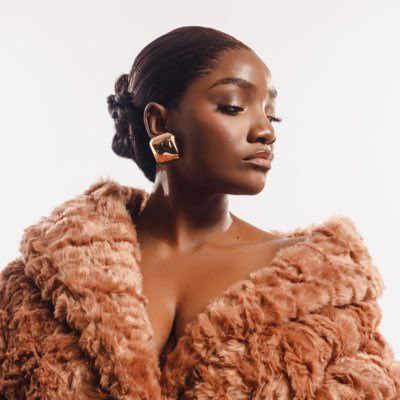
In the ever-evolving landscape of social media discussions on sexual assault and gender issues in Nigeria, singer Simisola Kosoko, popularly known as Simi, has found herself at the center of a heated debate.
As of February 18, 2026, Simi is trending on X (formerly Twitter) due to backlash over her strong statements on rape and false accusations.
This controversy stems from a viral TikTok story involving a woman named Mirabel, whose allegations of sexual assault have ignited widespread outrage and division.
The Viral Mirabel Rape Allegation: Setting the StageThe spark for this online storm began with a TikTok influencer’s emotional account of being sexually assaulted, including incidents in her own home. Mirabel’s story quickly went viral, drawing attention to the pervasive issue of rape and sexual harassment in Lagos and beyond.
Her allegations highlighted the challenges victims face when coming forward, including skepticism and potential backlash.
As the story spread across platforms like X and TikTok, it prompted reactions from celebrities, activists, and everyday users.Simi, known for her advocacy on women’s rights and social issues, jumped into the fray with a series of passionate posts.
She urged men to “STOP RAPING WOMEN” and emphasized the alarming prevalence of sexual assault, stating that “almost all the women I know have been sexually assaulted.”
This echoed her past calls for better protection of women and girls from assault and rape, as seen in her 2019 Instagram posts amid high-profile cases like the COZA pastor Biodun Fatoyinbo allegations.
Simi’s Statements and the Immediate Backlash
Simi’s tweets didn’t stop at condemning rape; she also addressed the counter-narrative around false accusations. In response to users emphasizing the dangers of baseless claims which can ruin lives and even lead to suicides. She appeared to dismiss these concerns, suggesting that those fixated on false accusations might be “triggered because they’re rapists or rape apologists.”
She further engaged critics directly, telling some to “STFU” (shut the f*** up), which amplified the controversy.The backlash was swift and polarized:
- Critics’ Arguments: Many, particularly male users, accused Simi of being one-sided and biased. They argued that false rape accusations deserve equal scrutiny and punishment, citing examples where innocent individuals suffered irreparable harm.
Some questioned her consistency, wondering why she married if she harbors such strong fears about men.
- Supporters’ Defense: On the flip side, fans and women’s rights advocates praised Simi for spotlighting rape culture in Nigeria. They highlighted how her comments align with global statistics showing that false accusations are rare compared to unreported assaults.
Her husband, singer Adekunle Gold, was also dragged into the discourse, with some users referencing their relationship in memes and debates.
This isn’t Simi’s first brush with such topics.
In 2020, she slammed those demanding “both sides of the story” in domestic violence cases, comparing it to victim-blaming in rape scenarios.
Similarly, in 2019, she decried the lack of safety for women and little girls, calling out societal and institutional failures.
Rape Culture and False Accusations in Nigeria
The Simi backlash rape case underscores deeper societal issues in Nigeria, where sexual violence remains rampant.
According to reports, women face oppression, abuse, and inadequate protection from family, church, and authorities.
High-profile incidents, like the 2019 Busola Dakolo case against Pastor Fatoyinbo, have repeatedly brought these problems to light, yet progress is slow.
Key statistics and insights:
- A significant percentage of women experience sexual assault, but false accusations, while serious, are not as prevalent as claimed in online debates.
- Discussions often pit victims against the accused, with calls for justice on both sides. Simi’s critics argue for balanced approaches, while her supporters stress that focusing on false claims can deter real victims from speaking out.
- The role of social media: Platforms like X amplify these debates, turning personal stories into national conversations. In this case, mentions of Falz and even the EFCC (Economic and Financial Crimes Commission) surfaced, linking the discourse to broader accountability issues.
While advocating against rape is crucial, acknowledging the impact of false accusations ensures fairness. As Nigeria grapples with these issues, voices like Simi’s despite the controversy push for change, urging society to protect victims without dismissing due process.
Keywords: Simi backlash rape case, Mirabel rape allegation, Simi sexual assault comments, rape culture Nigeria, false rape accusations debate