

The recent admission by the Nigerian National Petroleum Company Limited (NNPCL) that reopening the Port Harcourt Refinery after spending approximately $1.5 billion on rehabilitation is a “waste of scarce resources” has reignited debates on Nigeria’s oil sector management.
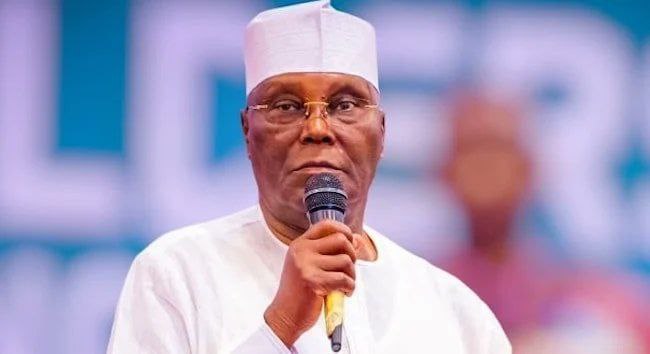
Former Vice President Atiku Abubakar quickly responded, declaring that this development proves his longstanding call for privatisation of the country’s refineries was right all along. In a statement shared on his social media platforms (including X/Twitter and Facebook) on February 8, 2026, Atiku described the situation as a “belated admission” of economic reality.
He emphasized that pouring public funds into non-functional refineries is indefensible, especially when facilities pay billions in salaries without producing a single litre of petrol.
Background on the $1.5 Billion Port Harcourt Refinery Saga Nigeria’s state-owned refineries, Port Harcourt, Warri, and Kaduna have been plagued by inefficiency, corruption allegations, and repeated failed turnaround maintenance efforts for decades.
The Port Harcourt Refinery rehabilitation project, approved years ago, was meant to restore capacity and reduce Nigeria’s dependence on imported petroleum products.
Despite the massive investment (sourced through loans and public funds), the facility has failed to resume meaningful operations.
Recent reports indicate NNPCL executives have now acknowledged the economic futility of further attempts to revive it in its current form.
This has fueled public outrage over wasted resources amid Nigeria’s economic challenges, including high inflation, unemployment, and fuel importation costs.
Atiku highlighted:
- Decades of “turnaround maintenance” consuming billions with zero results.
- Structural issues like lack of technical capacity, poor financial discipline, and political interference over sound economics.
- That the latest revival efforts were politically driven rather than based on viable business sense.
He argued Nigeria would have been better off privatising the refineries before rehabilitation to avoid escalating debt and asset depreciation.
Atiku’s Long-Standing Advocacy for Privatisation:
Atiku has championed privatisation and deregulation of the oil and gas sector for years.
As chairman of the National Council on Privatisation during the Obasanjo administration, he oversaw reforms credited with economic growth, job creation, and exiting debt traps. He has repeatedly criticised government management of refineries, arguing private sector involvement brings efficiency, competition, and investment.
In past statements, he noted public entities like NNPC often fail due to endemic corruption and inefficiency.
Critics have accused him of wanting to “sell public assets to friends,” but Atiku maintains privatisation done transparently benefits Nigerians through better service delivery, reduced subsidies, and lower fuel prices via local production.
Recent developments, including partial moves toward private operation of rehabilitated refineries and calls from organised private sector groups for outright sales after billions in repairs, appear to align with his views.
Why Privatisation Could Be the Way Forward for Nigeria’s Refineries:
- Efficiency Gains — Private operators prioritise profitability, innovation, and maintenance unlike state-run entities burdened by bureaucracy.
- Reduced Fiscal Burden — Ending endless bailouts and subsidies frees resources for education, health, and infrastructure.
- Increased Local Refining — Functional private refineries could cut importation, stabilise supply, create jobs, and earn foreign exchange.
- Transparency — Competitive bidding and stock exchange listings (as Atiku has urged for NNPC) ensure accountability.
Opponents fear job losses, monopoly risks, or asset undervaluation without strong regulation.However, with NNPCL’s own admission and ongoing fuel challenges, the consensus is growing that the status quo is unsustainable.
Final Thoughts: Time for Bold Reforms?
Atiku’s statement underscores a key lesson: politics should never override economic prudence.
As Nigeria grapples with energy security and fiscal responsibility, the failure of the $1.5 billion Port Harcourt project serves as a stark reminder.
Whether through full privatisation, strategic partnerships, or comprehensive deregulation, reforming the refineries is urgent. Atiku’s vindication highlights that visionary policies once dismissed often prove prescient when reality sets in.
Should Nigeria fully privatise its refineries? Share your views in the comments below.

