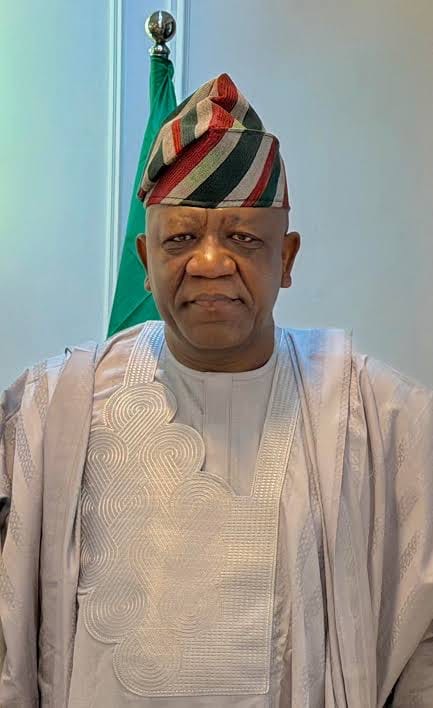


Peter Obi Joins Youths in ‘Occupy National Assembly’ Protest Over Mandatory Electronic Transmission of Election Results Date: February 9, 2026.
Former Anambra Governor and prominent opposition figure Peter Obi (now a key chieftain of the African Democratic Congress – ADC) today led and joined hundreds of protesting Nigerian youths, civil society activists, and pro-democracy groups at the National Assembly gates in Abuja. The demonstration, widely known as #OccupyNationalAssembly, demands that lawmakers reinstate and make mandatory real-time electronic transmission of election results a core part of the ongoing Electoral Act Amendment Bill.
What Sparked the Protest?
The Senate recently voted against (or significantly watered down) Clause 60(3) of the amendment bill, which would require presiding officers to electronically transmit polling-unit results in real time to a central, publicly viewable portal (like the IReV system) after signing and stamping Form EC8A.Critics, including Obi, civil society groups, the Obidient Movement, and figures like Aisha Yesufu and Omoyele Sowore, argue this rollback opens the door to manual interference, result alteration during physical collation, and repeats of the technical “glitches” that plagued the 2023 general elections.
The House of Representatives reportedly kept a stronger version of the clause, leaving the joint committee to reconcile the differences. Protesters insist the House version must prevail to protect electoral integrity ahead of 2027.
It’s not a difficult thing. Allow the elections to go through the normal process. Whoever wins, we will accept it. So why are you bringing all this confusion?”
He dismissed excuses about network coverage or infrastructure as unacceptable in 2026, urging lawmakers to prioritize transparency over excuses that enable rigging.
Videos and photos circulating on X (formerly Twitter) show Obi addressing supporters, with chants of electoral reform ringing through the air.
Why Electronic Transmission Is Non-Negotiable for Many Nigerians.
- Prevents physical tampering during result movement
- Enables instant public verification and reduces disputes
- Builds on the partial gains of the 2022 Electoral Act
- Aligns Nigeria with modern democratic standards used elsewhere
Opposition voices (including Atiku Abubakar’s camp, PDP elements, and youth coalitions) have labeled the Senate move “democratic sabotage.” Senate leadership, including Godswill Akpabio, has clarified they did not fully reject e-transmission—but the debate rages over making it compulsory and real-time.
Public Mood & Broader Impact Today’s turnout reflects deep frustration post-2023, especially among young Nigerians who feel electoral reforms are being deliberately stalled. Live streams, X threads, and coverage from Vanguard, Channels, Daily Post, Leadership, and BBC Pidgin show the protest gaining traction nationwide.
If the joint committee sides with the Senate version, trust in future polls could erode further. Many see this as the last major chance to fix systemic flaws before 2027.
Final Take: Time for Real Reform
Peter Obi’s decision to physically join the youths sends a clear message: credible elections aren’t partisan they’re existential for Nigeria’s democracy.
Mandatory real-time electronic transmission isn’t rocket science; it’s basic accountability. Nigerians deserve better than recycled excuses.
What do you think should e-transmission be made compulsory?