
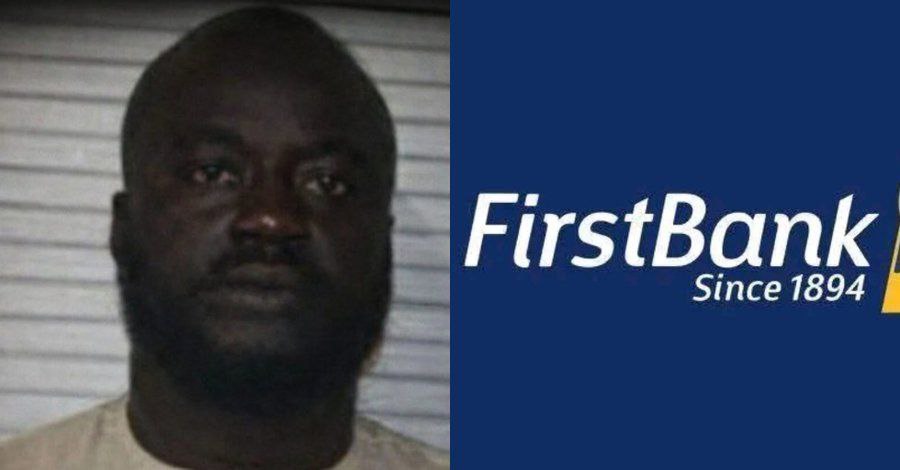
Bank Customer Jailed for Refusing to Refund N1.5 Billion Mistakenly Credit
In a stunning case of banking error turned legal drama, a First Bank customer in Nigeria has been sentenced to prison for failing to return a massive sum of money that was accidentally deposited into his account.
This incident highlights the thin line between fortune and fraud, serving as a stark reminder of the ethical and legal obligations that come with unexpected windfalls.
Let’s dive into the details of this incident involving Ojo Eghosa Kingsley.
The Incident: A Billionaire by Mistake It all started between June and November 2025, when First Bank of Nigeria erroneously credited Ojo Eghosa Kingsley’s account with a whopping N1,507,502,182.24 (approximately N1.5 billion).
This wasn’t a small glitch it’s the kind of money that could change lives overnight. Instead of reporting the error or returning the funds, Kingsley allegedly chose to keep the money, leading to a confrontation with the bank.
First Bank, upon discovering the mistake, demanded the refund, but Kingsley refused. This refusal escalated the matter to the courts, where it was treated as a case of theft or fraudulent retention of funds.
Banking errors like this aren’t unheard of, but the scale here over a billion naira made it particularly noteworthy. In Nigeria’s financial landscape, where digital banking is booming but glitches still occur, such incidents test the integrity of both institutions and individuals.
The Court Ruling: Justice Served? The case was heard at the Edo State High Court in Benin City, presided over by Justice Aziegbemhin. After reviewing the evidence, the judge convicted Kingsley on charges related to the refusal to refund the mistakenly credited amount.
The sentence? One year in imprisonment, with an option to pay a N5 million fine instead. Additionally, the court ordered Kingsley to refund the entire sum to First Bank.
This ruling has sparked mixed reactions online. Some view it as a fair consequence for what they see as opportunistic behavior, while others question how such a massive error could occur in the first place.
Social media platforms are buzzing with debates: “Would you return it?” or “Is one year enough?” It’s a classic case of “finders keepers” clashing with the law. Broader Implications for Banking and Personal Ethics.
This isn’t just about one man and a bank; it raises bigger questions about financial systems in Nigeria.
How do banks prevent such errors? First Bank has protocols for reversals, but when customers resist, it often leads to legal battles. For everyday account holders, the lesson is clear: If you spot an unexplained credit, report it immediately.
Keeping it could land you in hot water, as Nigerian law treats unauthorized retention of funds as a criminal offense. On a personal level, this story underscores the importance of integrity. In a country grappling with economic challenges, N1.5 billion is life-changing, but the cost of greed potential jail time and a criminal record might not be worth it.
Banks like First Bank are ramping up digital security, but human error (or in this case, customer error) remains a wild card.
Final Thoughts: Ojo Eghosa Kingsley’s case is a cautionary tale for anyone who dreams of a “bank error in your favor.” While the allure of free money is tempting, the legal repercussions are real and severe. As Nigeria continues to digitize its banking sector, expect more scrutiny on such incidents.
What do you think fair sentence or too lenient? Share your views in the comments below!