

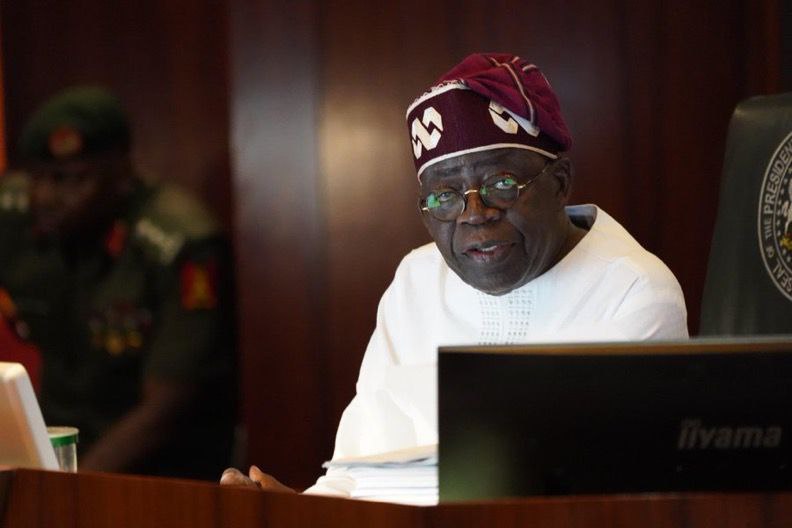
President Bola Ahmed Tinubu has officially signed the Electoral Act (Amendment) Bill 2026 into law, just one day after both chambers of the National Assembly passed the harmonized version on February 17, 2026. The signing ceremony took place on Wednesday, February 18, 2026, at the State House in Abuja around 5:00 p.m., with Senate President Godswill Akpabio, Speaker Tajudeen Abbas, Chief of Staff Femi Gbajabiamila, and other principal officers present.
In his remarks, President Tinubu commended lawmakers for the reforms, stressing the need to balance modern technology with safeguards against hacking and system failures in a digital era. He described electronic transmission of results as “supportive” rather than a full replacement for manual collation.
Major Reforms in the Electoral Act Amendment 2026
The amendments build on the 2022 Electoral Act and target transparency, logistics, and gaps seen in past elections.
Here are the most important changes:
- Electronic Transmission of Results (Most Controversial Clause)
- Real-time electronic upload to the INEC Result Viewing Portal (IReV) is now permitted but optional. If there’s network failure or technical issues, results revert to manual collation using Form EC8A as the primary method. Tinubu highlighted this as protection against potential hacking while still allowing tech where feasible.
- Voter Registration Simplified
- Only three documents are now required: Birth certificate
- Nigerian passport
- National Identification Number (NIN)
- This reduces barriers while keeping verification strong.
- Party Primaries & Internal Democracy
- Indirect (delegate-based) primaries have been abolished in many contexts. Parties must now use direct primaries or other transparent, legally approved methods to boost member participation and reduce imposition/manipulation.
- Election Funding & Timelines
- Funds must reach INEC earlier (some reports cite at least 6–12 months before polls). The Notice of Election timeline is adjusted (e.g., 300 days before polling in some clauses), giving INEC better preparation time. Candidate nomination submission deadlines shortened from 180 to 120 days pre-election.
- Other Key Adjustments: Stronger rules on candidate selection to curb disputes.
- Improved logistics and operational safeguards.
- Alignment with INEC’s recently released 2027 timetable (presidential election slated for February 20, 2027, with flexibility for December 2026–January 2027 window).
- These changes aim to make elections more credible, reduce post-election litigation, and restore public trust.
Reactions & Ongoing Debate
Supporters praise the pragmatic balance protecting democracy from tech vulnerabilities while advancing transparency.
Critics, including civil society groups and opposition voices, argue the optional electronic transmission clause weakens IReV’s role and opens doors for manual manipulation.
Despite protests and heated National Assembly sessions (including a near-rowdy debate in the House), the bill passed and was swiftly assented to.
What This Means for the 2027 General Elections With the law now in effect, INEC can roll out these provisions immediately.
The timing is perfect giving parties, voters, and observers months to adapt before the 2027 polls. Whether these reforms deliver freer, fairer elections will depend on implementation, INEC’s execution, and stakeholder vigilance.