
Iran Vows to Resist US Pressure on Nuclear Program: Tensions Escalate in 2026 In the ever-evolving landscape of Middle East geopolitics, Iran’s firm stance against US demands on its nuclear program has once again thrust the issue into the global spotlight.
As of February 2026, Iranian officials have reiterated their commitment to uranium enrichment, viewing it as an “inalienable right” essential for peaceful nuclear technology. This defiance comes amid renewed talks under the Trump administration, which seeks to impose strict limits on Iran’s nuclear activities, ballistic missiles, and regional influence. With threats of military action looming, the standoff raises questions about the future of diplomacy and potential escalation.
In this post, we’ll explore the historical context, latest statements, implications, and expert analyses surrounding Iran’s vow to resist US pressure on its nuclear program.
The Historical Context of Iran’s Nuclear Program and US-Iran RelationsIran’s nuclear ambitions date back decades, but tensions intensified in the early 2000s when the international community raised concerns over potential weaponization.
The 2015 Joint Comprehensive Plan of Action (JCPOA), brokered under President Obama, aimed to curb Iran’s program in exchange for sanctions relief. However, the US withdrew from the deal in 2018 during Trump’s first term, reinstating a “maximum pressure” campaign that crippled Iran’s economy.
Fast-forward to 2025-2026: Following a brief Israel-Iran war and US involvement in bombing Iranian facilities, negotiations resumed. Trump has demanded zero uranium enrichment, curbs on ballistic missiles, and an end to support for groups like Hezbollah and the Houthis demands Iran labels as “surrender.”
Iranian Supreme Leader Ali Khamenei has consistently rejected these, stating that enrichment is a “red line” and that Iran’s nuclear program without it is “practically worthless.”
This historical baggage has created a “wall of distrust,” as Iranian Foreign Minister Abbas Araghchi described it, complicating current talks.
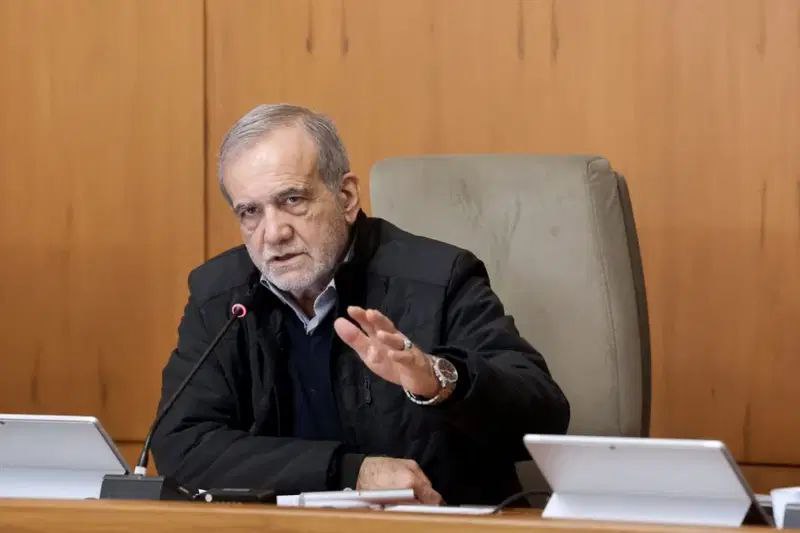
Recent Statements: Iran’s Vow to ResistIn early February 2026, Iranian President Masoud Pezeshkian declared that Iran would “not yield to excessive demands” on its nuclear program.
Echoing this, Araghchi told Al Jazeera that zero enrichment is “irrelevant” and that Iran’s missile program is “never negotiable.”
He warned that Tehran would target US bases if provoked, emphasizing readiness for a “fair and equitable” deal but only on Iran’s terms—no coercion or threats.
From Iran’s parliament, hardliners like Ali Larijani have criticized past “win-win” assumptions from the 2015 deal, advocating for “resistance and attack” over surrender.
Recent X posts highlight this sentiment: One user noted Iran’s refusal to compromise on enrichment even under war threats, while another reported US considerations to seize Iranian oil tankers to amp up pressure.
Iran has also urged the US to ignore Israeli interference, accusing Netanyahu of sabotaging talks.
US Demands and the Risk of Escalation
The Trump administration’s preconditions include halting all enrichment, limiting missiles, and cutting ties with regional proxies seen by analysts as non-starters for Iran.
Trump has warned that time is running out, with reports of US military build-up in the region.
In response, Iran has signaled it might reduce enrichment to JCPOA levels (3.67%) but rejects zero enrichment outright.
Experts warn of stalling tactics: The Institute for the Study of War (ISW) suggests Iran is unlikely to accede fully, viewing missiles and proxies as core deterrence pillars.
The Soufan Center notes that while nuclear concessions might be possible, broader issues like missiles remain off-limits, especially after the erosion of Iran’s Axis of Resistance.
Some sources indicate Iran could hand over highly enriched uranium under a consortium, but official statements contradict this.
On the flip side, pro-US voices like Fox News highlight Iran’s warnings as bluster, with analysts arguing Tehran is delaying to rebuild leverage.
Israeli pressure adds complexity, with Netanyahu pushing for a tougher stance.
Global Implications and Future Outlook
This standoff could reshape Middle East dynamics. A failed deal risks renewed sanctions, economic turmoil for Iran, and potential military strikes potentially drawing in allies like Russia or China. Conversely, a breakthrough might stabilize oil markets and reduce proxy conflicts, though skeptics doubt Iran’s sincerity given past breaches.
From a balanced perspective, Iranian media frames this as defending sovereignty against “bullying,” while Western outlets see it as proliferation risks.
As talks continue in Oman, with a second round expected, the world watches closely. Will diplomacy prevail, or will resistance lead to confrontation?
For ongoing updates on Iran-US nuclear talks, stay tuned.